
Drupal the King
1. Flexibility and Customization Drupal offers unmatched flexibility, allowing developers to create complex, custom web applications tailored to specific business needs. With a wide range of contributed modules and themes, you can extend functionality without reinventing the wheel. Its powerful API system ensures seamless integration with external services, making it adaptable to any environment.
2. Scalability Whether you’re running a small blog or managing a high-traffic enterprise site, Drupal handles scale effortlessly. Its architecture supports performance optimizations, caching, and load balancing, ensuring your website performs optimally even under heavy traffic. For enterprises that need to scale without limits, Drupal is the ideal solution.
3. Security Drupal is renowned for its rock-solid security framework. It is trusted by governments, financial institutions, and Fortune 500 companies to protect sensitive data and ward off cyber threats. With a dedicated security team and timely updates, Drupal ensures your website remains secure from vulnerabilities.
4. Seamless Integrations With Drupal, you can integrate with cutting-edge technologies such as AI, machine learning, marketing automation, and more. Its support for API-first architecture allows it to act as a headless CMS, powering modern frontend frameworks like React, Angular, and Vue for a seamless omnichannel experience.
5. Multilingual Capabilities Drupal excels in providing multilingual support right out of the box. It enables businesses to build multilingual websites efficiently, expanding their global reach and catering to diverse audiences without the need for additional plugins or extensions.
6. Strong Community Support As an open-source CMS, Drupal is backed by a vibrant and active community of developers, contributors, and experts who continuously improve the platform. With regular updates, bug fixes, and a wealth of resources, the Drupal community ensures you’re always at the cutting edge of web development.
7. Built for Enterprise Drupal’s architecture is perfect for enterprises. It supports multi-site management, advanced user permissions, workflow automation, and content staging. These features make Drupal the preferred choice for organizations that need robust, scalable, and complex digital ecosystems.
Conclusion For organizations that prioritize flexibility, scalability, security, and modern integrations, Drupal stands as the king of CMS platforms. Its unparalleled capabilities make it a top choice for businesses and developers aiming for long-term success in the digital landscape.
Related Posts
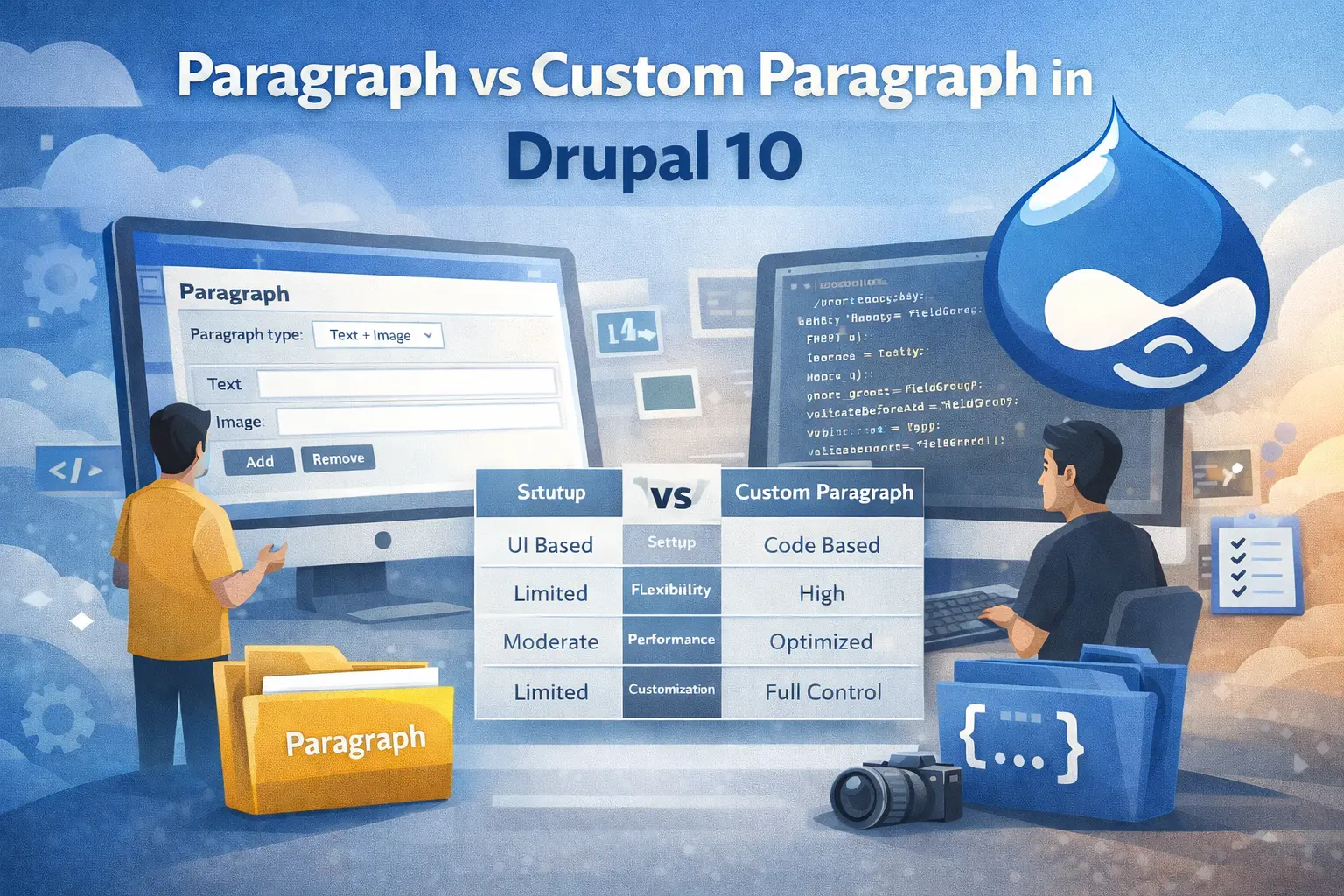
Paragraph vs Custom Paragraph in Drupal
Apr 10, 2026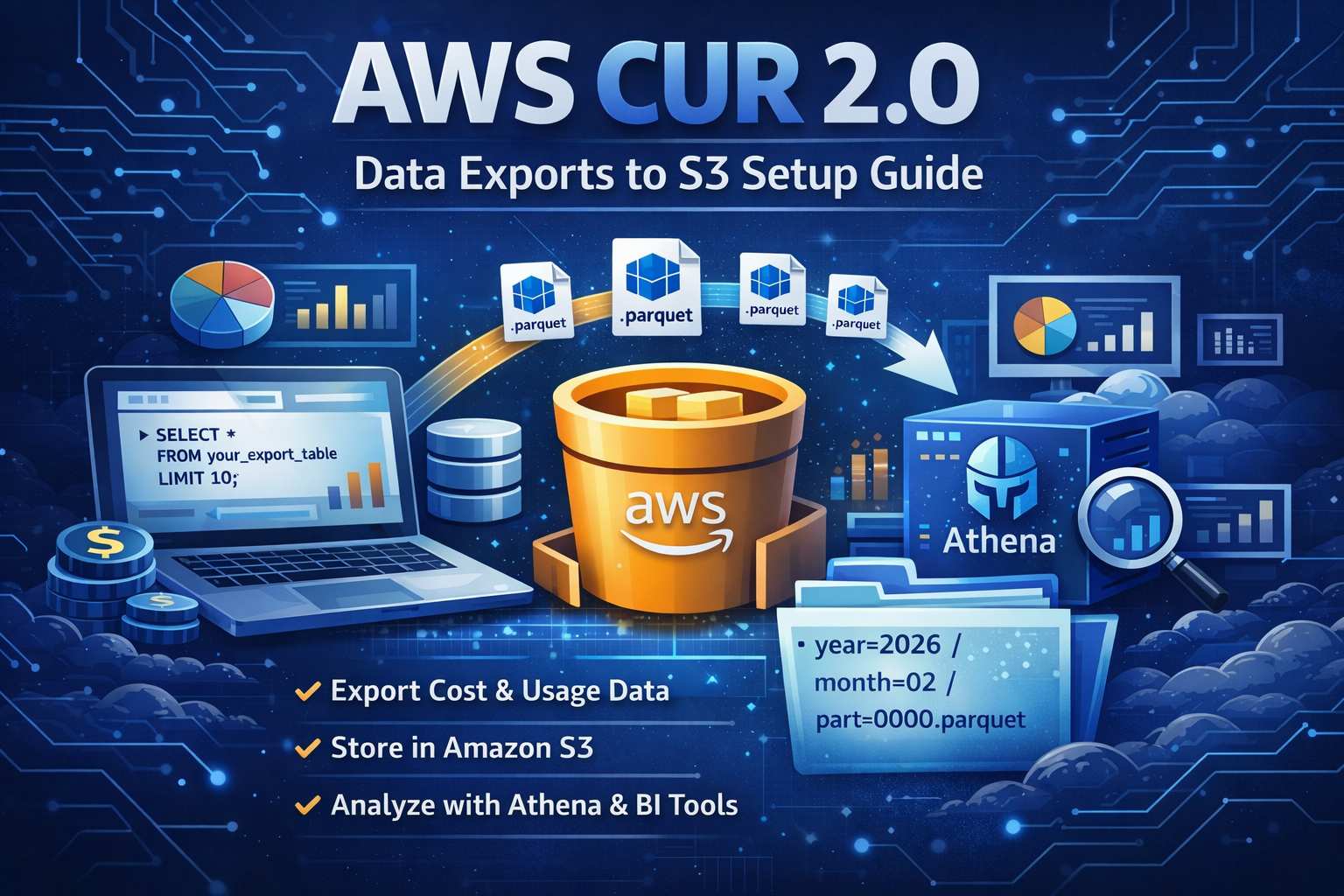
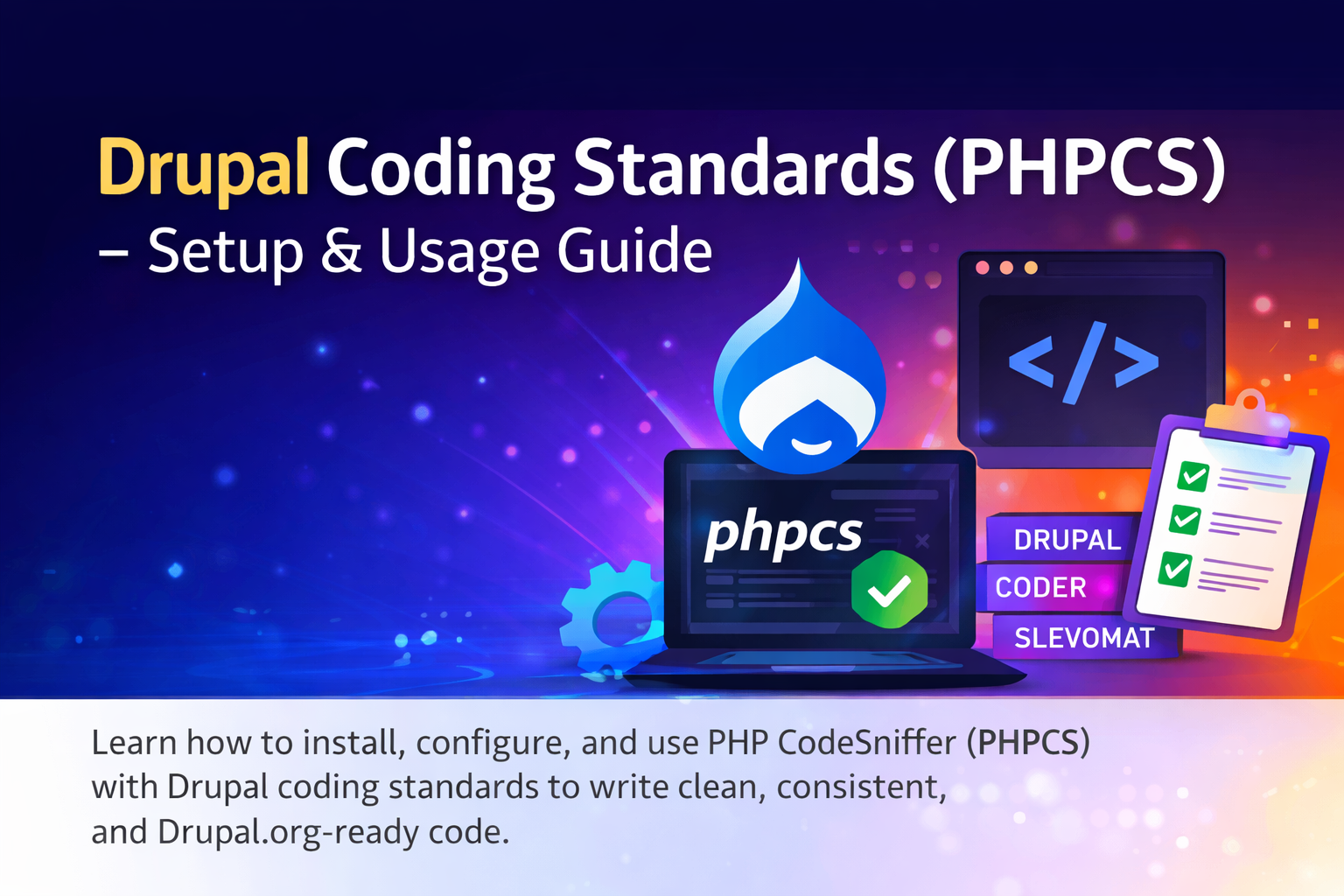










Drupal vs WordPress: Best CMS Choice for 2026
Dec 09, 2025




How Microinteractions Make Your Website Feel Alive
Aug 07, 2025


Disadvantages of having a Drupal 7 Website
Mar 07, 2025
Drupal 7 vs Drupal 10: A Comprehensive Comparison
Mar 07, 2025




How to Choose the Right CMS for Your Website
Jan 06, 2025

How to Boost Conversions with a Custom Mobile App.
Nov 14, 2024






Comments