by |
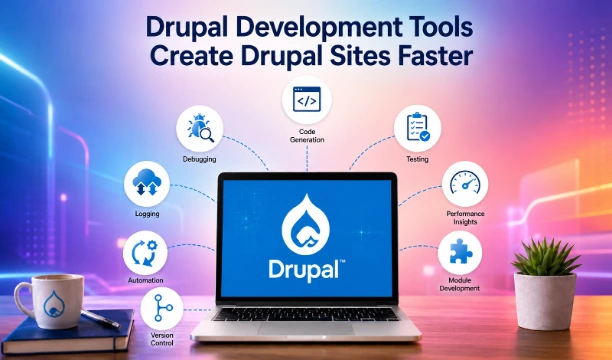
Drupal Development Tools | Create Drupal Sites Faster
This article provides an overview of essential development tools that help streamline and speed up Drupal site development. It covers AI assistants like Codeium for code generation, testing, and explanation, along with useful Drupal modules such as D...
0
by |
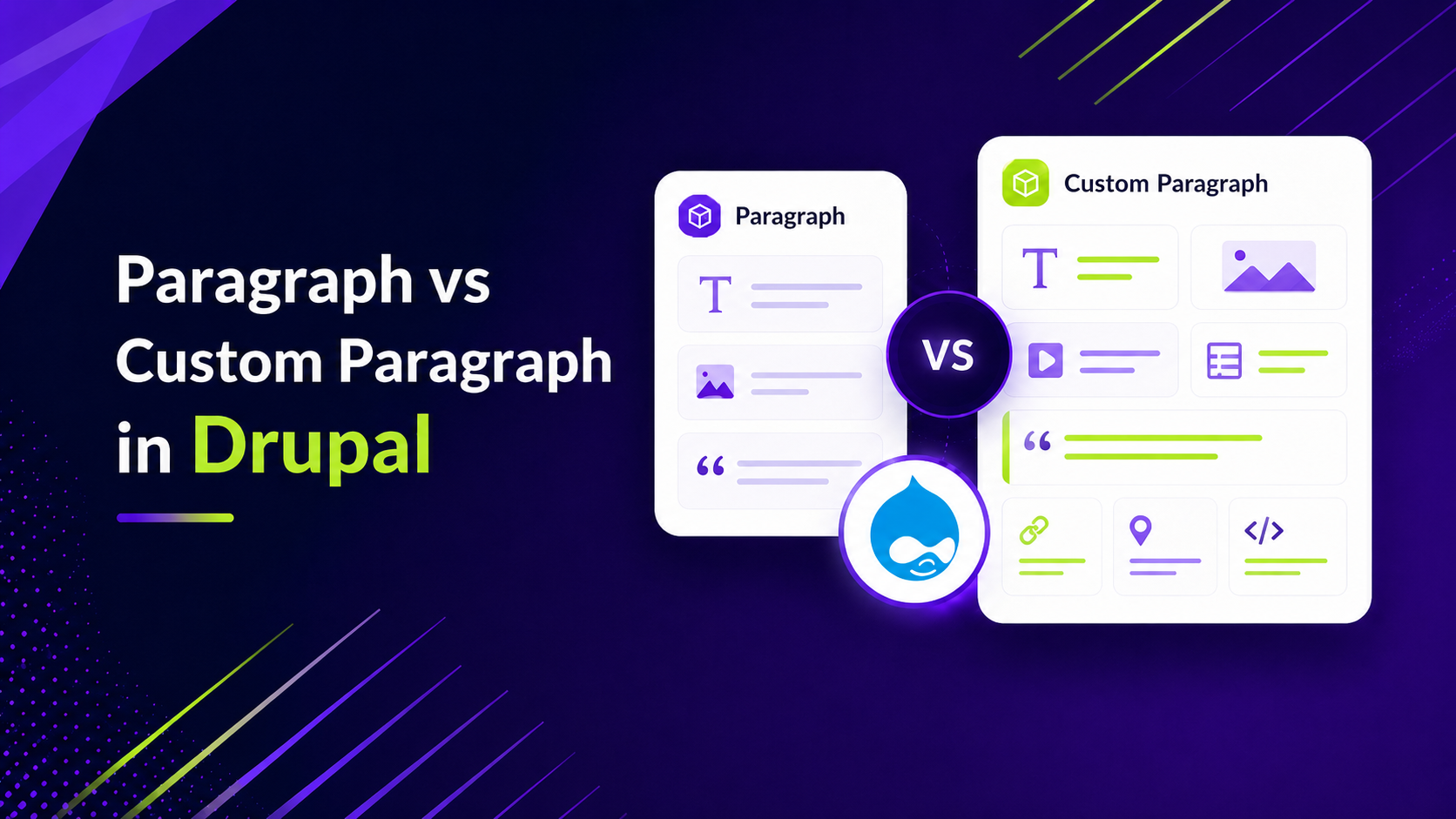
Paragraph vs Custom Paragraph in Drupal
This article explains the key differences between Paragraph and Custom Paragraph in Drupal. It covers structure, flexibility, performance, and real-world use cases, helping developers choose the best solution for building dynamic and scalable content...
0
by |
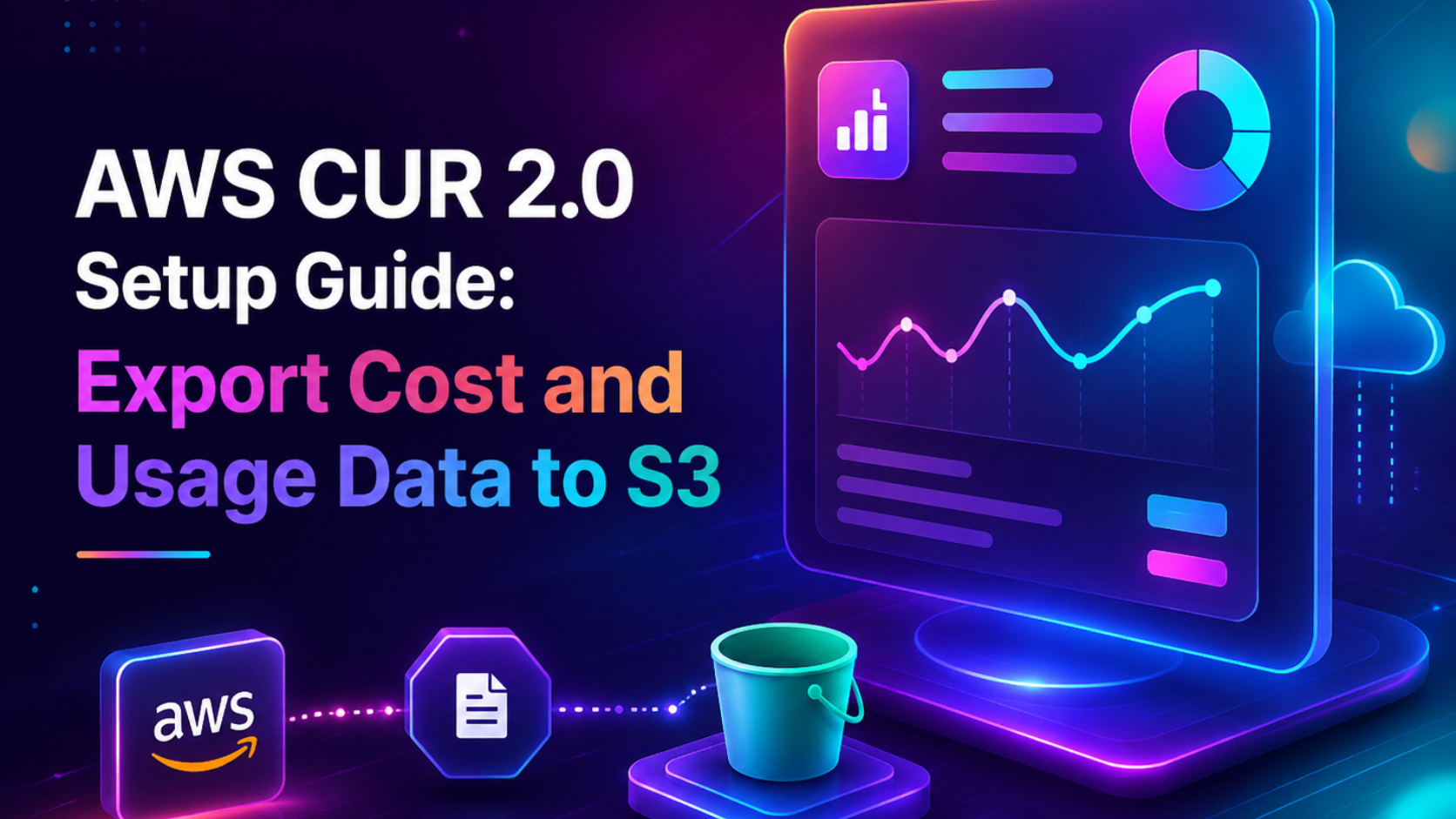
AWS CUR 2.0 Setup Guide: Export Cost and Usage Data to S3
Learn how to set up AWS Data Exports using CUR 2.0 to send detailed cost and usage data to Amazon S3 for reporting and analysis. This guide covers the full setup process, including selecting the export type, configuring CUR 2.0, choosing Parquet form...
0
by |
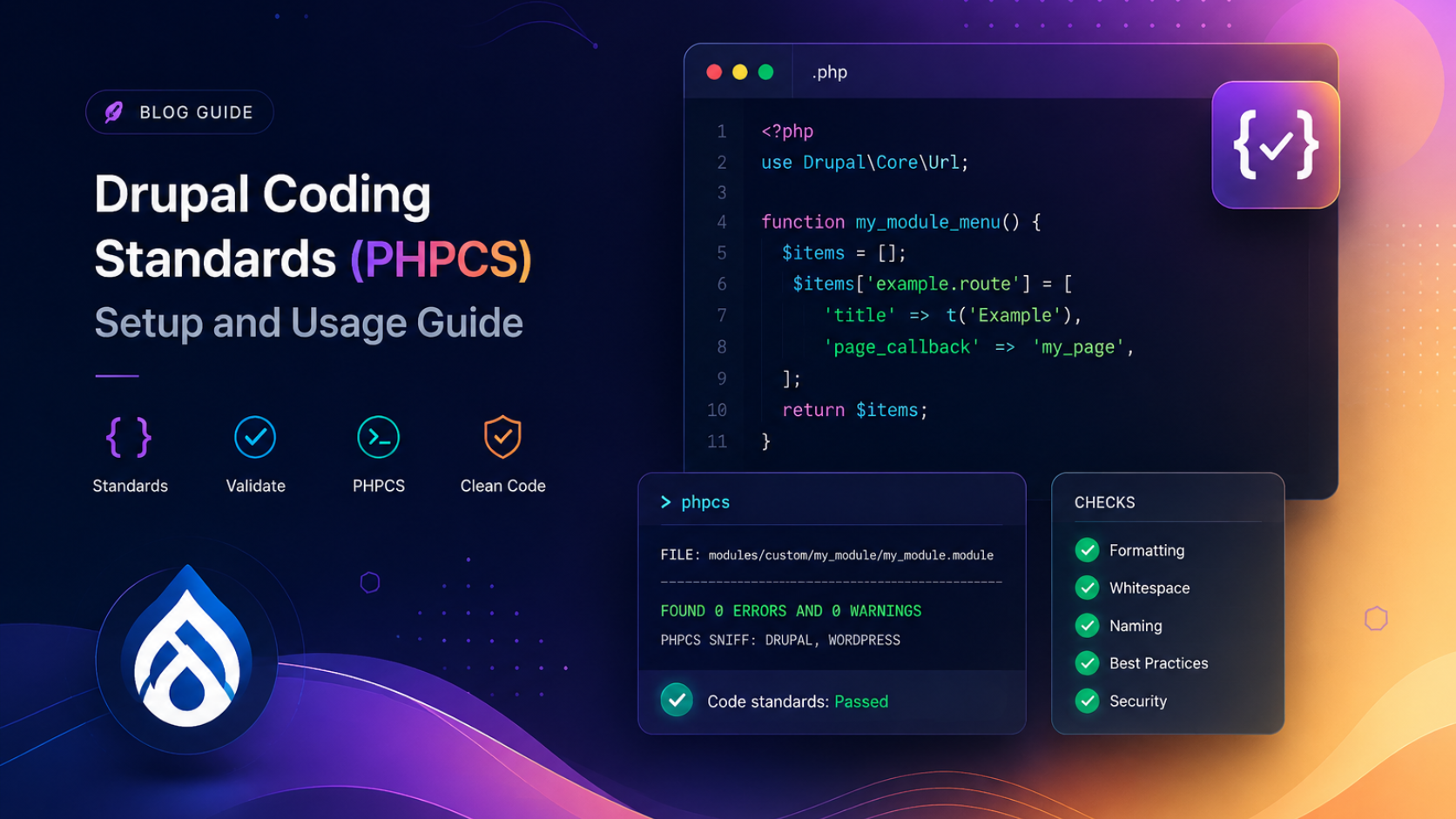
Drupal Coding Standards (PHPCS) Setup and Usage Guide
This blog explains how to set up and use Drupal Coding Standards with PHP CodeSniffer (PHPCS) in a Drupal project. It covers installing the required packages, configuring PHPCS, running code checks, auto-fixing issues with PHPCBF, and understanding c...
0
by |
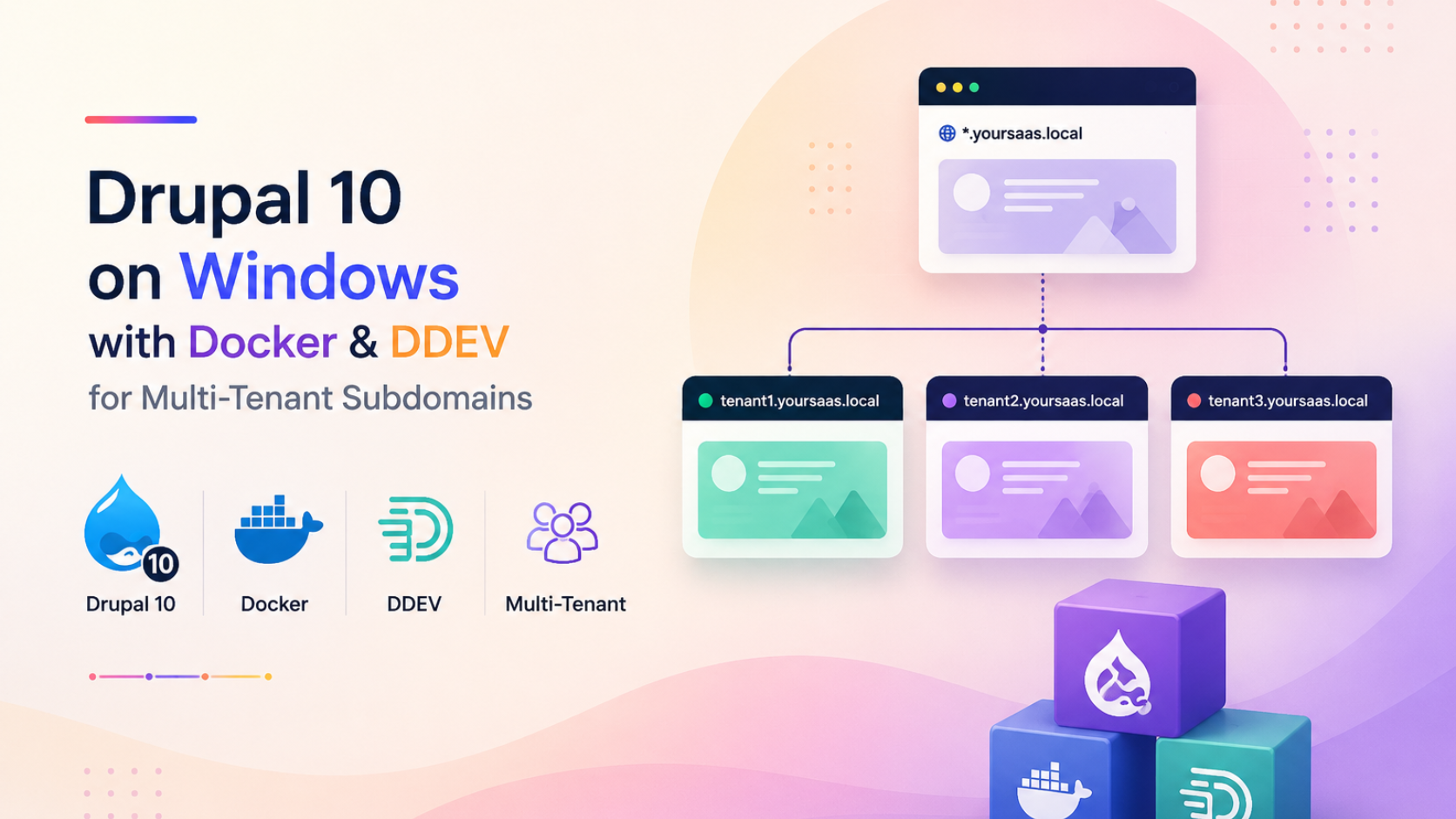
Drupal 10 on Windows with Docker and DDEV for Multi-Tenant Subdomains
This guide walks through setting up a modern Drupal 10 development environment on Windows using Docker and DDEV. It covers installing the required tools, configuring a Drupal project, importing an existing database, and enabling wildcard subdomains f...
0
by |
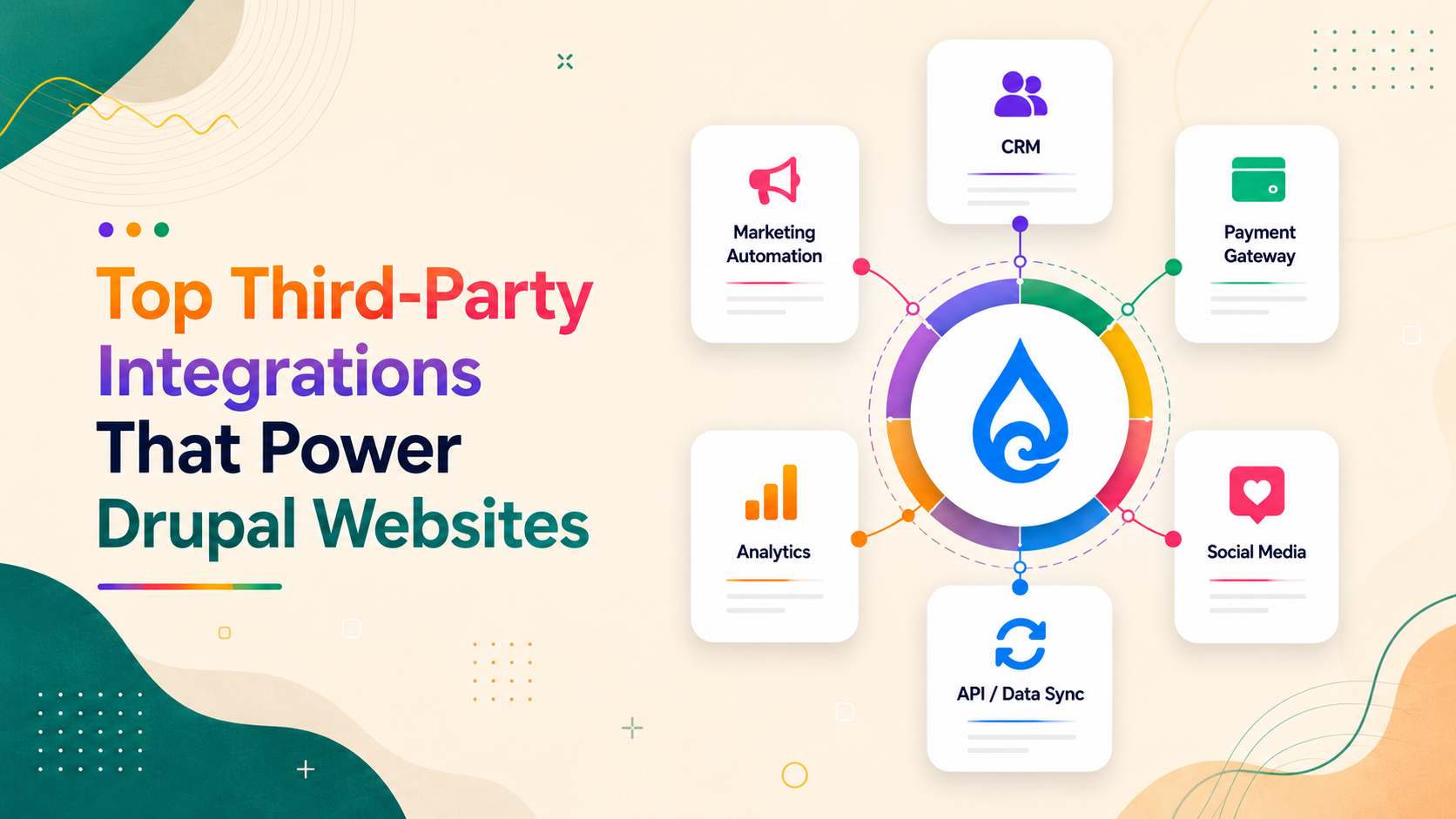
Top Third-Party Integrations That Power Drupal Websites
Modern websites rarely work in isolation. They connect with CRMs, marketing tools, payment gateways, analytics platforms, and social media networks to deliver seamless digital experiences. This is where Drupal third-party integration modules become i...
0
by |
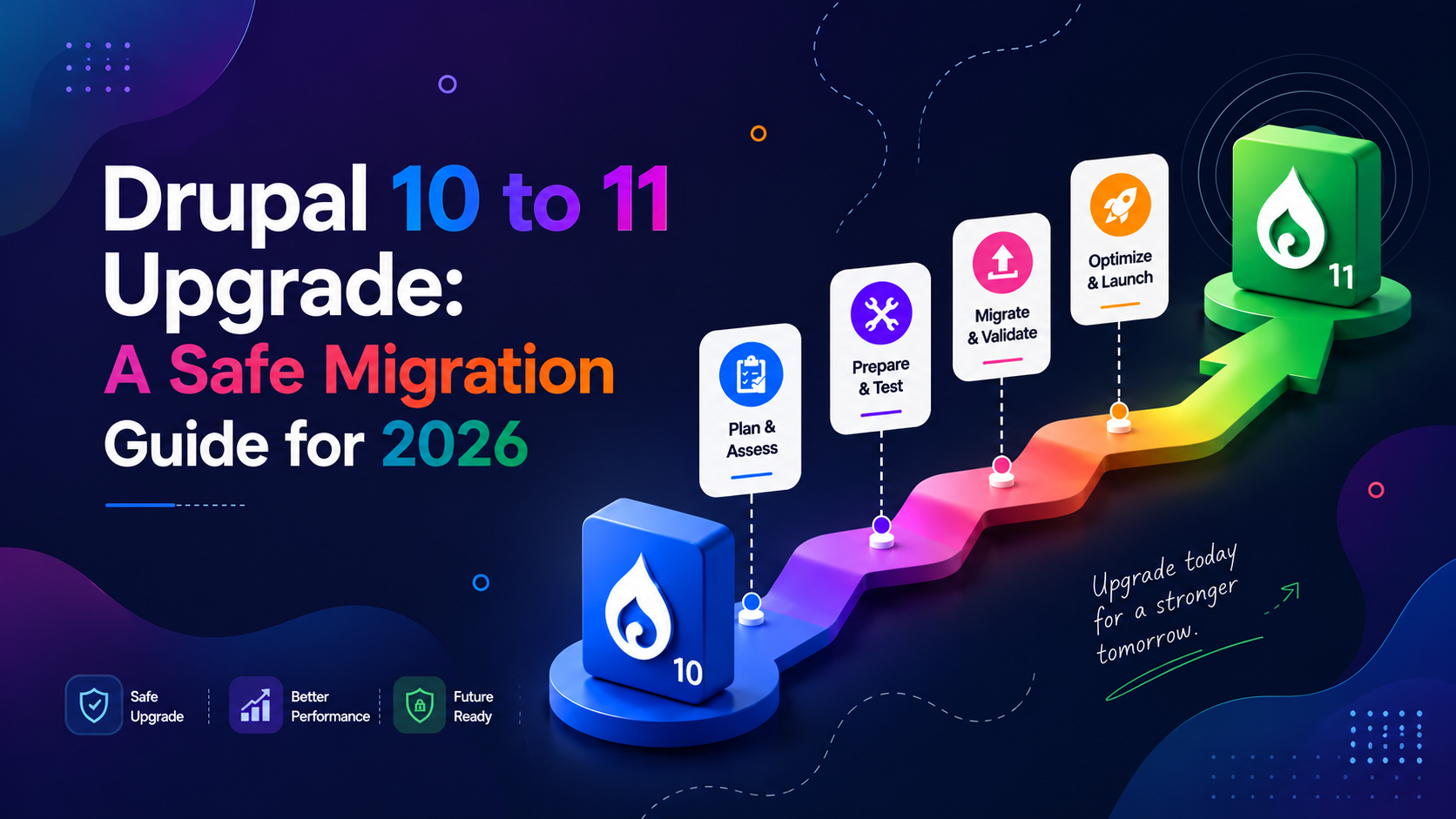
Drupal 10 to 11 Upgrade: A Safe Migration Guide for 2026
Upgrading your website from one major Drupal version to the next can be technical and overwhelming if you don’t plan it well. However, with the right guidance and a clear Drupal 10 to 11 upgrade strategy, you can transition smoothly without breaking ...
0
by |
How Regular Updates Strengthen Drupal Website Security
Drupal websites are widely trusted by enterprises, government organizations, and growing businesses because of their flexibility and strong security framework. However, security is not a one-time setup. To keep Drupal websites protected against evolv...
0
by |
Why Drupal Website Need Regular Maintenance and Support
A Drupal website is a powerful digital asset for businesses that demand flexibility, security, and scalability. However, launching a Drupal site is only the first step. To keep it running efficiently, securely, and competitively, regular maintenance ...
0
by |
Drupal Security Risks Explained & How to Eliminate Them
Drupal Security plays a critical role in protecting modern websites from cyber threats, data breaches, and service disruptions. Drupal is widely trusted by governments, enterprises, educational institutions, and healthcare organizations because of it...
0